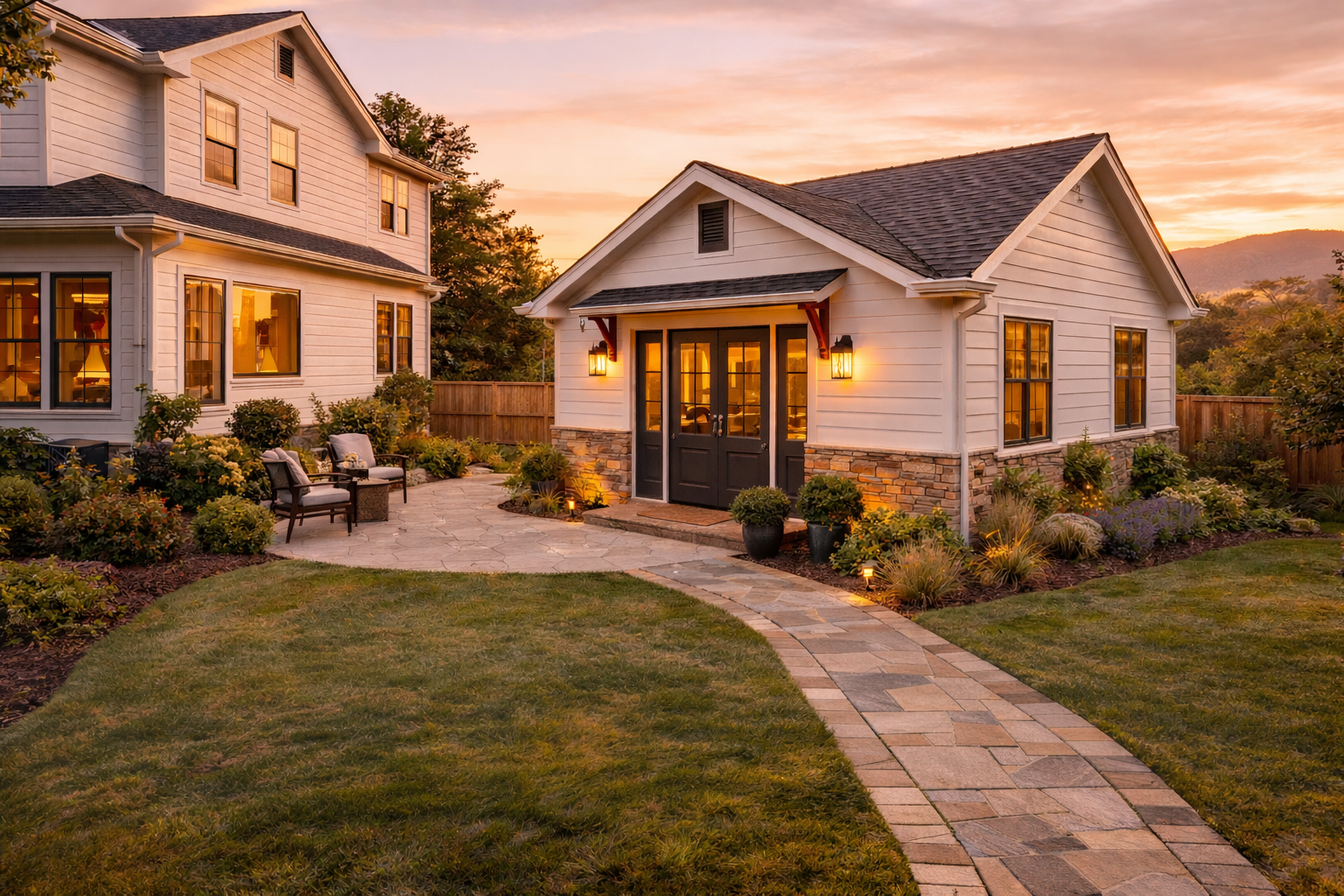
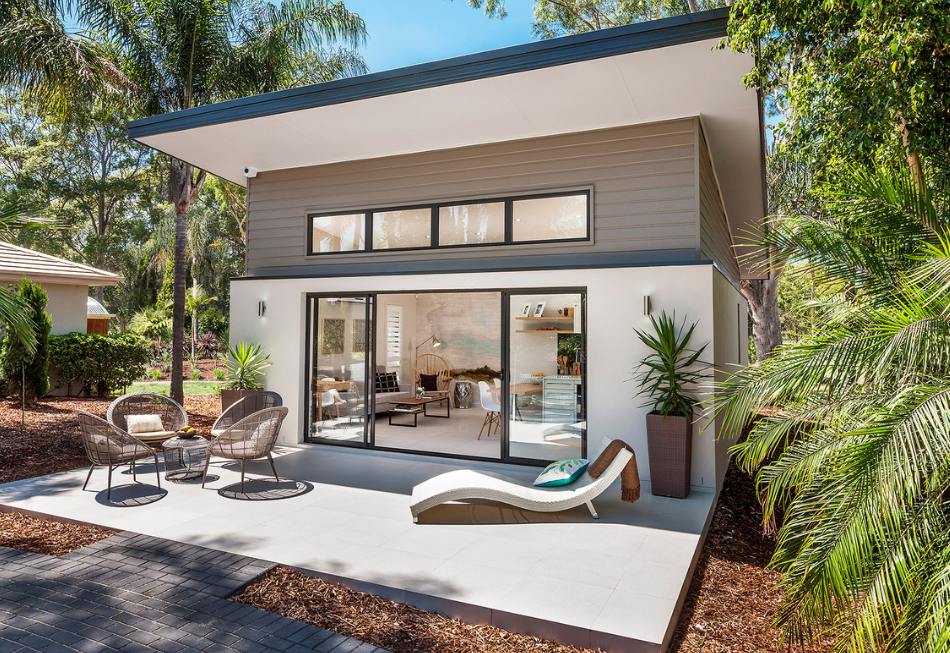
Accessory Dwelling Units—commonly called ADUs, guest houses, or in-law units—have gone from niche upgrade to mainstream real estate strategy, especially in high-cost and housing-constrained markets. As a realtor who has helped buyers, sellers, and investors navigate ADU projects at every stage, I can say this clearly: an ADU can be a powerful asset, but it is not a one-size-fits-all solution.
Below is a practical, real-world breakdown of the pros and cons of adding an ADU to your primary residence, grounded in what I see in actual transactions—not just theory.
The Pros of Adding an ADU
1. Strong Income Potential
For many homeowners, the biggest draw is rental income. A well-designed ADU can:
Offset your mortgage
Provide long-term cash flow
Act as a hedge against rising property taxes and insurance
In some markets, especially where rentals are in short supply, ADUs rent quickly and reliably. Buyers often view existing, permitted ADUs as built-in income streams, which can increase demand for your property.
2. Increased Property Value (When Done Correctly)
From a resale standpoint, permitted, well-built ADUs generally add value, particularly when:
The main house and ADU are both functional and attractive
Parking, access, and privacy are thoughtfully addressed
The ADU does not overwhelm the primary residence or lot
That said, value is maximized when the ADU feels intentional—not like an afterthought.
3. Flexibility for Life Changes
An ADU offers long-term adaptability:
Housing aging parents
Giving adult children independence while staying close
Creating a home office, studio, or guest suite
Downsizing into the ADU while renting the main home
Flexibility is increasingly attractive to buyers who are planning for multigenerational living or uncertain economic futures.
4. Increased Buyer Pool When You Sell
Homes with ADUs often appeal to:
Investors
Multigenerational families
Buyers priced out of traditional duplexes
Buyers seeking house-hacking opportunities
This broader appeal can reduce time on market when conditions are right.
The Cons of Adding an ADU
1. High Upfront Costs
Construction costs are the biggest surprise for many homeowners. Expenses may include:
Design and architectural plans
Permits and impact fees
Utility upgrades (sewer, electrical, water)
Construction overruns
Depending on location and design, ADUs can be a six-figure investment, and not every market guarantees a dollar-for-dollar return.
2. Financing Can Be Complicated
While ADU-friendly financing options are improving, they can still be challenging:
Appraisals may not fully credit projected rental income
Lenders vary widely in how they value ADUs
Cash-out refinances or construction loans may carry higher rates
From a realtor’s perspective, financing structure matters just as much as design.
3. Zoning, Permits, and Red Tape
Even in ADU-friendly states, the process can be slow:
Local interpretations of state law vary
Setbacks, height limits, and parking rules can change designs
Permitting delays can stretch timelines significantly
Unpermitted ADUs are a major red flag at resale and often reduce—not increase—value.
4. Loss of Yard, Privacy, or Parking
Adding an ADU almost always requires trade-offs:
Smaller backyard
Shared driveways or entrances
Increased noise or reduced privacy
Some buyers love density and flexibility. Others don’t. These trade-offs can narrow your resale audience if not handled carefully.
5. Management and Wear-and-Tear
If you rent the ADU:
You are now a landlord
Maintenance increases
Tenant management becomes part of daily life
Even with great tenants, there is more wear on the property, and that should be factored into long-term costs.
Realtor Insight: When an ADU Makes Sense—and When It Doesn’t
An ADU tends to be a smart move when:
You plan to stay in the home long-term
Rental demand is strong in your area
The lot comfortably supports an additional unit
The ADU is fully permitted and professionally built
It may not be ideal when:
You plan to sell in the short term
Construction costs strain your finances
The ADU compromises parking or privacy too severely
Local buyers prefer single-family homes without density.